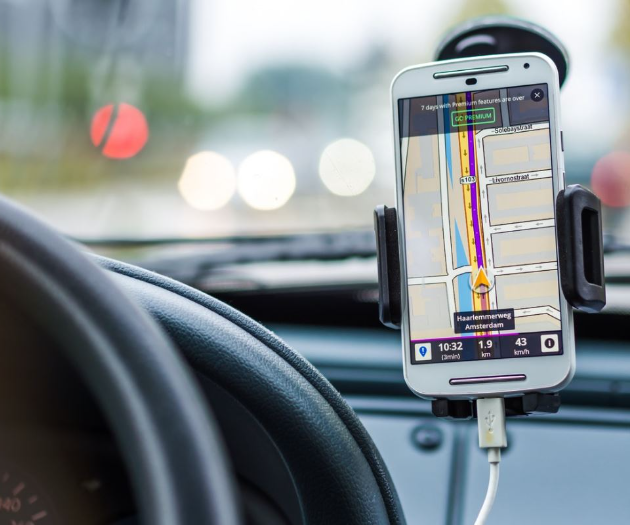
I was driving home from Koh Samed to Bangkok yesterday and started getting annoyed by the cars/trucks that were in the fast lane when they should move over to let faster traffic go by. During my drive, I began to think about how much Google/Apple or other maps apps have on us as data. They know where we go, when we go, and often where we plan to go if we have set up “directions” in the device. They know the speed we travel and the stops we make. From my understanding the apps show congestion based upon the number of stationary phone sitting in a location.
But let’s take this further:
Since the apps know how many phones are in a general area and are obviously tracking who is exactly where and at what time, have they devised a way to know which drivers are staying in the left lane and causing all traffic to stay behind them or go around them dangerously in the slow lane? Can the app developers use the data to analyze who is slowing down too much to watch an accident, play on their phone, watch some cows, or read a billboard? And can they take this data to begin to ticket people for un-artful driving:
“Honey, I got a ticket in the mail; it says I was driving doing 103km/h or less in a 120km/h fast lane for 13 minutes from Rayong to Bangkok and caused 47 cars to go around me unnecessarily. The ticket costs $132.00.”
Data like this could be connected to cars to indicate to the driver, it is time to move over to let faster cars drive by – and also ensure that I do not get a ticket for this in the future. Repeated offenders could have their license cost more to renew – or suspended altogether.
AI can also be used to help with car-traffic throttling in other ways:
- Traffic prediction: AI can analyze traffic data from various sources such as cameras, GPS, and sensors to predict traffic conditions in real-time. This can help traffic management centers to plan ahead and deploy resources to alleviate congestion before it occurs.
- Intelligent traffic signal control: AI can be used to optimize traffic signal timings based on real-time traffic data. The AI algorithm can adjust the timings of traffic signals at intersections to reduce congestion and improve the overall flow of traffic.
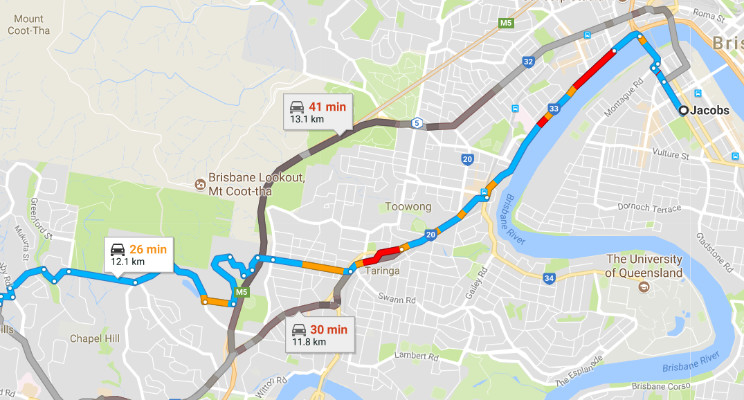
- Route optimization: AI can analyze traffic patterns and suggest alternate routes for drivers to take to avoid traffic congestion. This can help reduce the number of cars on congested roads and improve traffic flow.
- Autonomous vehicles: AI-powered autonomous vehicles can help reduce traffic congestion by optimizing their driving patterns and reducing the likelihood of accidents. Autonomous vehicles can also communicate with each other to coordinate movements and avoid traffic jams.
- Dynamic tolls and pricing: AI can be used to determine dynamic tolls and pricing based on traffic demand. By analyzing traffic patterns, AI can determine when and where to implement tolls and pricing to reduce congestion and incentivize drivers to take alternate routes.
Overall, AI can be a powerful tool for managing car-traffic, improving traffic flow, and reducing congestion. By implementing AI-powered systems, we can create a safer, more efficient, and happier transportation networks. Let’s take advantage now and let me go to the beach quicker next time.




 education | technology | ai & NOT A.I. | design