RSS

Apple and Home Automation in Education: A Match Made in Heaven?

With the growth of smart home technology, it’s not surprising to see a growing interest in using Apple’s HomeKit framework in education. HomeKit provides a way to control and automate various smart home devices, and it has the potential to transform the way we learn and teach. In this blog post, we’ll explore how Apple and home automation can be used in education.
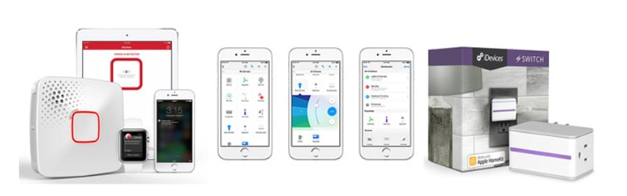
  1. Classroom Management: Home automation technology can be used to automate and manage various aspects of the classroom, such as lighting, temperature, and sound. This can help create a more comfortable and conducive learning environment, as well as minimize distractions. Additionally, HomeKit can be used to control and monitor access to the classroom, providing a safer and more secure environment for students and teachers.
  2. Personalized Learning: Home automation technology can also be used to personalize the learning experience for each student. For example, students could use HomeKit-enabled devices to control the lighting in their workspace, set reminders for assignments, and access educational resources. This can help students take control of their learning environment, making it more engaging and effective.
  3. Collaborative Learning: HomeKit can also be used to facilitate collaborative learning experiences. For example, students could use HomeKit-enabled devices to participate in group projects and activities, such as controlling lighting and sound in a shared workspace. This can help foster a sense of teamwork and collaboration, and provide students with hands-on experiences that can enhance their learning.
  4. Gamification: Gamification is the process of making learning more engaging and enjoyable through game-like elements. HomeKit can be used to create fun and interactive learning experiences, such as using smart home devices to create challenges and rewards for students. This can help make learning more engaging and memorable, and motivate students to participate and succeed.
  5. Accessibility: Finally, HomeKit can be used to make education more accessible for students with disabilities. For example, HomeKit-enabled devices can be used to control various aspects of the learning environment, such as lighting, temperature, and sound, making it easier for students with disabilities to participate and succeed.

In conclusion, Apple and home automation have the potential to revolutionize education and transform the way we learn and teach. From personalized learning to collaborative learning, these technologies offer new and exciting opportunities to enhance the educational experience. Whether you’re a student, teacher, or educational institution, now is the time to explore the potential of Apple and home automation in education.

 

Tech and education that might blow your mind – pt.2

I wrote a post in April 2020 about tech that was pretty cool. Here is more:

  1. Brain-computer interfaces: This technology allows individuals to control computers and other devices using their thoughts. While still in its early stages, brain-computer interfaces have the potential to help students with disabilities, allowing them to interact with educational materials and access information in new ways.
  2. Haptic feedback devices: Haptic feedback devices use vibrations or other tactile sensations to create the sense of touch in virtual or augmented reality environments. This technology has the potential to create more immersive and engaging educational experiences, allowing students to physically interact with digital materials in new ways.
  3. Gamification: While gamification has been around for a while, it is still an emerging and evolving field that has the potential to revolutionize education. By incorporating game mechanics into educational materials and activities, gamification can increase student engagement and motivation, while also allowing for more personalized learning experiences.
  4. Quantum computing: While still in its infancy, quantum computing has the potential to revolutionize the way we process and analyze data. This technology could allow for more efficient and accurate analysis of educational data, leading to more personalized and effective teaching strategies.
  5. Nanotechnology: Nanotechnology is a field that deals with materials and devices on a microscopic scale. While still in the early stages of development, nanotechnology has the potential to create new educational materials and tools that are more efficient and effective than current technologies. For example, nanoscale materials could be used to create more efficient solar panels or batteries for educational devices.
 

Competing with Apple in Education: An Overview of the Industry Landscape

Apple has been a leading provider of technology for education for many years, and its products and services have had a major impact on the way we learn and teach. However, the tech industry is highly competitive, and Apple is facing increased competition from other companies who are seeking to capture a share of the education market. In this blog post, we’ll take a closer look at some of Apple’s main competitors in education and their impact on the tech industry.

  1. Google: Google is a major player in the education technology market, and it offers a range of products and services that compete with Apple’s offerings. Google’s Chrome OS and Chromebooks have been widely adopted in schools, and its Google Classroom platform provides a way for teachers to manage and deliver lessons. Additionally, Google’s G Suite for Education provides a suite of productivity and collaboration tools for students and teachers.
  2. Microsoft: Microsoft is another major competitor in the education technology market, and it offers a range of products and services that compete with Apple’s offerings. Microsoft’s Windows OS and Surface devices are popular in schools, and its Office 365 for Education provides a suite of productivity and collaboration tools for students and teachers. Additionally, Microsoft’s Minecraft: Education Edition provides an engaging platform for learning and teaching.
  3. Amazon: Amazon is a relative newcomer to the education technology market, but it has made significant investments in this area and is quickly gaining traction. Amazon’s AWS for Education provides cloud-based services for educational institutions, and its Echo devices and Alexa voice assistant are being used in classrooms to support learning and teaching. Additionally, Amazon has launched its Kids Edition devices, which provide a safe and secure environment for children to learn and explore.
  4. HP: HP is a well-established player in the education technology market, and it offers a range of products and services that compete with Apple’s offerings. HP’s laptops, desktops, and tablets are popular in schools, and its Managed Print Services provide a way for educational institutions to manage and optimize their printing and imaging needs. Additionally, HP’s Device as a Service program provides schools with a flexible and cost-effective way to manage their technology needs.

The impact of these companies on the tech industry is significant, as they are driving innovation and competition in the education technology market. Their products and services are helping to democratize access to technology and make it more accessible and affordable for students and teachers. Additionally, their investments in research and development are helping to advance the state of the art in education technology, making it possible for students and teachers to benefit from the latest and most innovative tools and resources.

In conclusion, Apple is facing increased competition from other companies in the education technology market, but this is a good thing for the industry as a whole. Competition is driving innovation and making it possible for students and teachers to benefit from a wider range of tools and resources. Whether you’re a student, teacher, or educational institution, now is a great time to explore the options and find the technology solutions that best meet your needs and goals. What do you choose and why?


Tech and education that might blow your mind

  1. Blockchain: Blockchain technology has the potential to transform the way we verify and store educational credentials. By creating a secure, decentralized database of educational records, individuals could have greater control over their data and more easily share it with potential employers or institutions.
  2. 3D Printing: 3D printing technology is already being used to create physical models and prototypes, but it also has the potential to transform the way we teach subjects like engineering and biology. With 3D printers, students can create and manipulate physical objects, allowing for a more hands-on learning experience.
  3. Augmented Reality (AR) and Virtual Reality (VR): They have the potential to revolutionize the way we learn and engage with educational content. For example, AR and VR can be used to create immersive simulations that allow students to explore historical events, scientific concepts, or even virtual field trips.
  4. Artificial Intelligence (AI): AI technology is already being used to personalize and optimize learning experiences for students. AI-powered chatbots and virtual assistants can provide personalized tutoring and support, while machine learning algorithms can analyze data to identify areas where students may need additional support.
  5. Internet of Things (IoT): IoT technology has the potential to transform the way we interact with educational environments. With IoT sensors and devices, we can create smarter classrooms that can monitor and adjust to student needs in real-time. For example, sensors could track student attendance, monitor classroom temperature and lighting, and adjust teaching materials based on student engagement.